A common question from Charleston homeowners: can I run my fence across the drainage easement behind the house? Many lots carry one along the back or side lines, and the answer is "only with the city's approval."
What the city requires
According to the City of Charleston's fence FAQ, a fence in a drainage easement goes through an encroachment process before the fence permit:
- Fill out the city's encroachment application.
- Provide the zoning-approved plat.
- Pay a $25 fee.
- Allow up to four weeks for processing.
Because the plat is also part of the normal fence permit package, look at it early. Running the fence along the inside edge of the easement instead of across it can save the extra step.
Why easements matter here
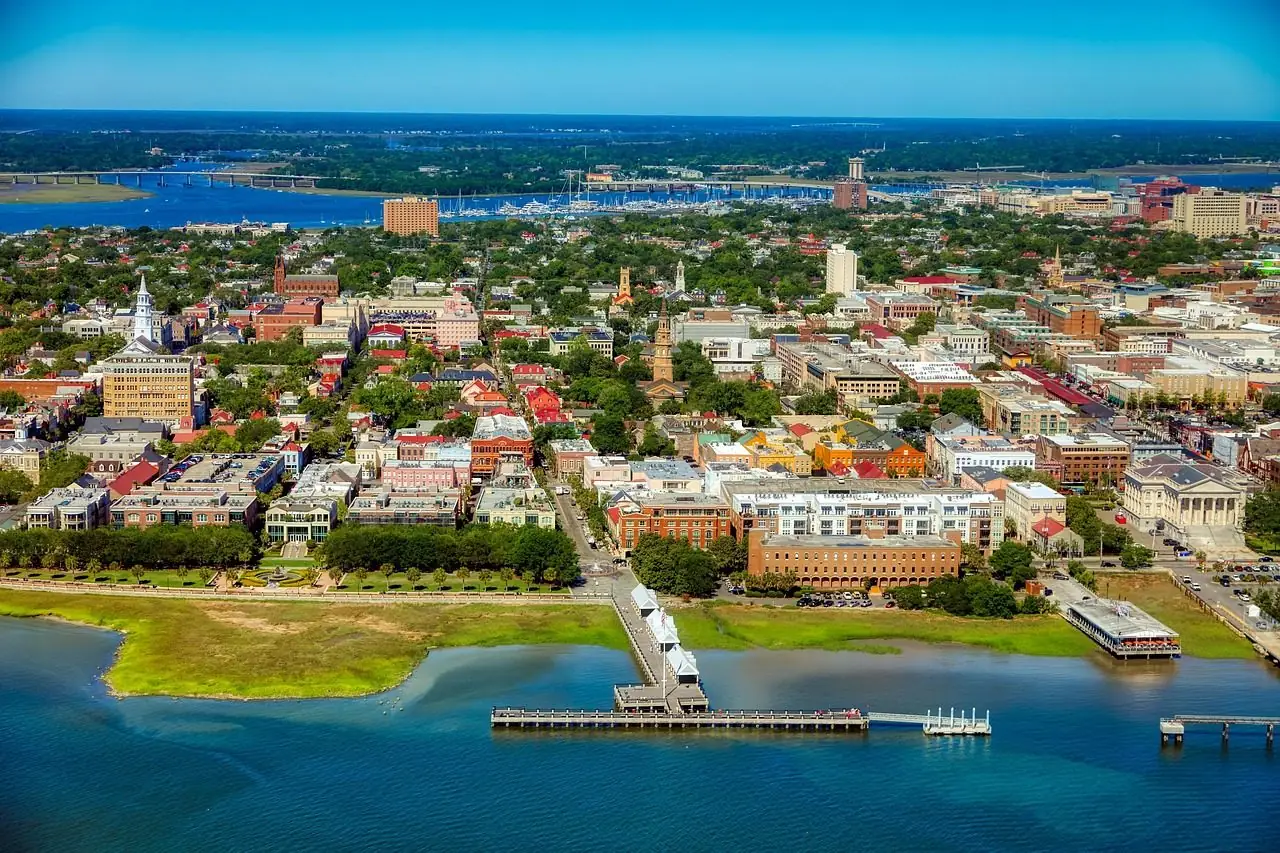
Charleston is a city of tidal rivers, with the Ashley, Cooper, Stono and Wando around and through it. Rain is heavy too: about 52.51 inches a year at the airport, with nearly half from June through September. Drainage easements keep water moving off lots and streets, so a fence that blocks a ditch or swale causes problems for you and your neighbors.
Building a fence for a wet yard
- Keep boards off the ground. A small gap at the bottom lets the fence dry and lets water pass.
- Choose materials that tolerate wet soil. Vinyl and aluminum don't rot; wood needs ground-contact posts.
- Mind low spots. Posts set where water stands after storms rot or rust first. Mention them when you ask for a quote.
Storms
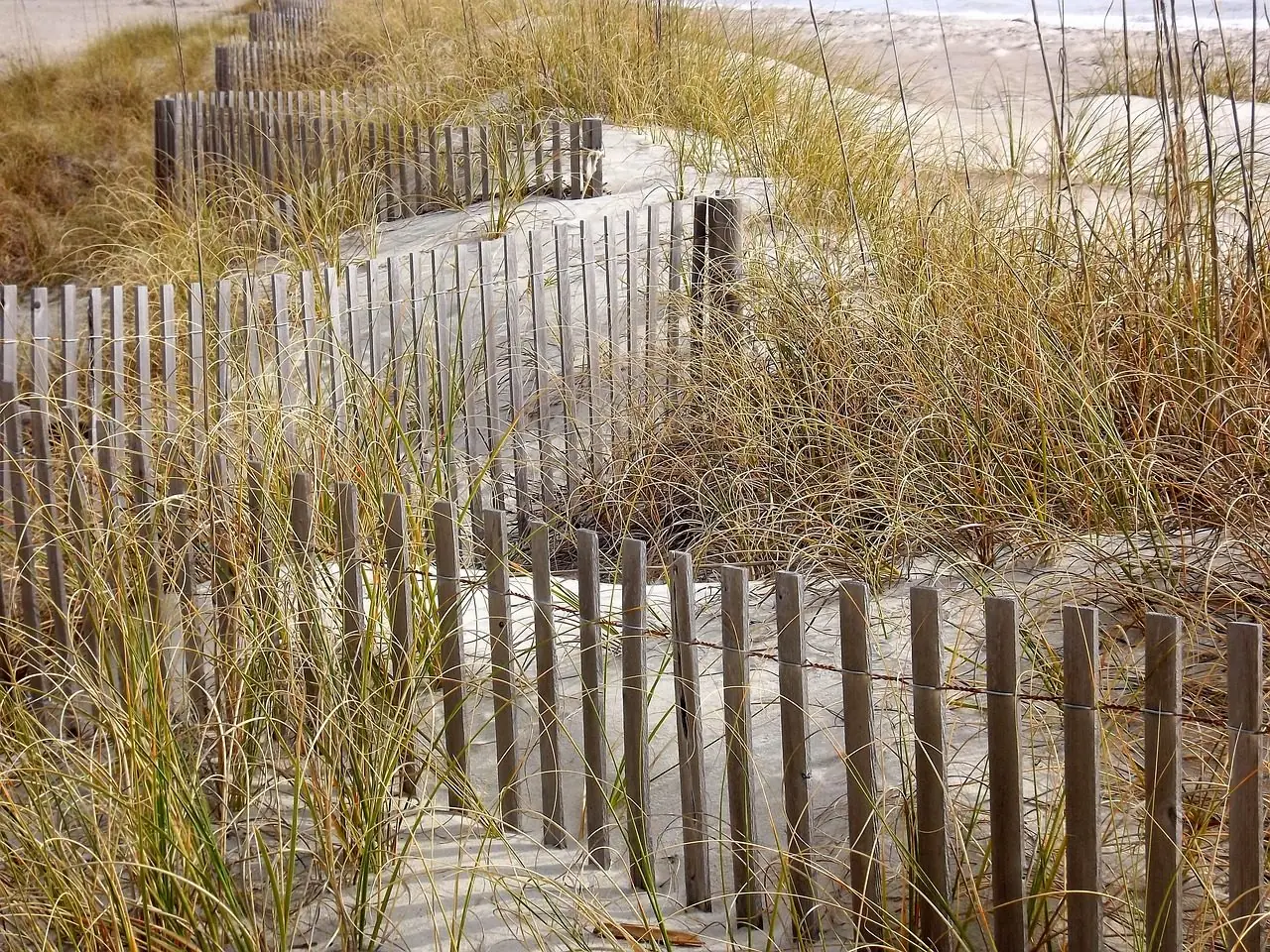
Hurricane Hugo came ashore at Charleston Harbor on September 21, 1989, as a Category 4 storm and caused over $2.8 billion in damage. Summer and early fall remain hurricane season. Solid privacy fences catch wind like a sail, so posts and fastening matter as much as the boards.
Sources
- City of Charleston FAQ: What steps are required to build a fence at my house?
- Wikipedia: Charleston, South Carolina
Sources checked November 10, 2026. Permit steps and price surveys change; follow the link for the current version.